
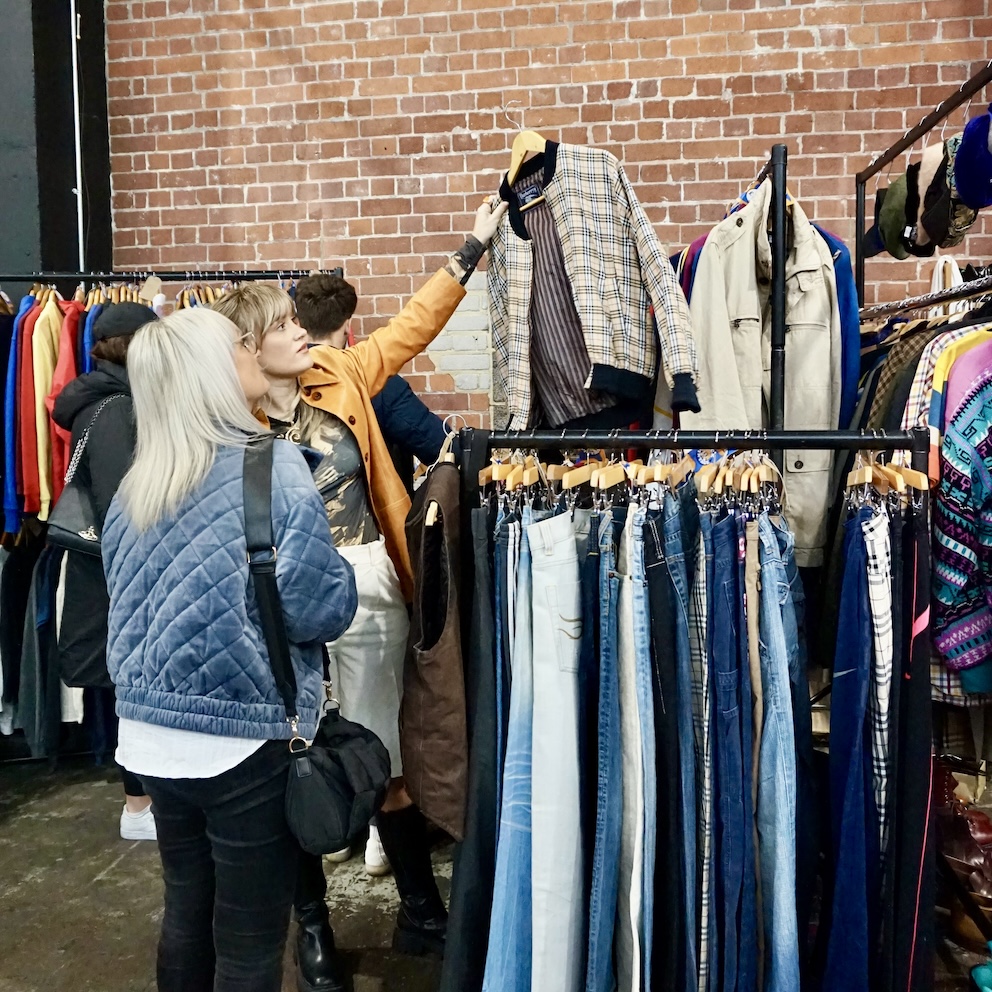
After more than twenty years running vintage markets, I've seen just about everything—from genuine hidden treasures to some very convincing reproductions. Whether you're new to buying vintage or have been collecting for years, knowing what to look for can save you money and help you buy with confidence.
One of the best things about shopping at a flea market is never quite knowing what you’ll find. But how can you tell whether something is genuinely vintage or simply made to look old?
Start with the details. Check underneath furniture, pottery and decorative pieces for makers’ marks, labels, stamps or dates. On textiles, look along the selvedge for printed names or manufacturers’ details. Materials matter too. Older pieces often have a weight, texture and quality that newer reproductions lack. Look closely at the construction, stitching, fixings and finish. Anything that feels too light, too perfect or artificially distressed deserves a second look.
A little research goes a long way. If you collect a particular designer, maker or period, learn its usual markings and materials. The more you handle genuine vintage, the easier it becomes to recognise. Most importantly, take your time. Pick things up, turn them over, open drawers, check seams and ask the dealer questions. Good dealers will usually be happy to tell you what they know — and if something feels too good to be true, it often is.
When you visit one of our markets, you can also shop with confidence. We carefully vet every trader before they join us, and we're passionate about maintaining the high standards our visitors expect. If we find anyone deliberately misrepresenting reproduction items as genuine vintage, they simply won't be trading with us again.
About the Author
Judy Berger is the founder of Judy's Vintage Fair, The Big Flea Market and The Vintage Furniture Flea. She has been buying, selling and curating vintage markets for over twenty years and has helped thousands of people discover authentic vintage Fashion & Furniture.