
(From Someone Who’s Been Running Vintage Markets for 20 Years)
If you’re searching for vintage furniture in London, you’ll quickly realise two things:
-
There is a lot of it.
-
Not all of it is good.
London has become one of the best cities in Europe for sourcing vintage and mid century furniture — but knowing where to look (and what to look for) makes all the difference.
After two decades of running vintage markets and furniture flea events across London, I’ve seen everything from genuine Danish 1960s teak to optimistic “mid century style” MDF.
So here’s what actually matters when you’re buying vintage furniture — and how to do it properly.
First: Why Vintage Furniture Is Worth It
Buying vintage isn’t about nostalgia. It’s about quality.
Mid century furniture was built to last. Solid wood. Proper joinery. Clean lines that still look modern 60 years later.
It’s also sustainable. Every vintage sideboard you buy is one less flat-pack destined for landfill in five years.
And frankly — it just has more soul.
What People Mean When They Say “Vintage”
In London’s vintage markets, “vintage furniture” usually means:
-
Mid century furniture (1950s–1970s)
-
Scandinavian teak
-
Postmodern 1980s pieces
-
Industrial storage
-
Antique one-offs with character
If you’re specifically searching for mid century furniture in London, flea markets and curated vintage fairs are often where the best pieces surface first — long before they hit expensive online showrooms.
Where to Buy Vintage Furniture in London (Without Overpaying)
You can buy vintage furniture in London in three main ways:
1. Permanent vintage shops
Lovely, but you’re paying for rent and overheads.
2. Online marketplaces
Convenient — but risky. Scale is hard to judge. Condition can be… optimistic.
3. Vintage markets and furniture flea markets
This is where things get interesting.
A good vintage furniture flea market in London brings together specialist dealers who source across the UK and Europe. You can compare pieces side-by-side, talk to the people who found them, and often negotiate directly.
You see quality immediately. You see proportion. You see finish.
And if you arrive early — you see the best stock.
What to Look For (And What to Avoid)
After years of watching people buy, here’s what I always say:
✔ Check the structure
Wobble it. Open drawers. Look underneath. Good vintage furniture should feel solid.
✔ Understand restoration
Refinished doesn’t mean ruined. Poorly sanded veneer does.
✔ Know your woods
Teak, rosewood, oak and walnut are common in mid century pieces. Solid timber will age beautifully. Thin veneer over chipboard won’t.
✔ Ignore perfection
Small marks and patina are part of the charm. Structural issues are not.
The Secret to Buying Well at London Flea Markets
Arrive with:
-
Measurements
-
Photos of your space
-
A tape measure
-
An open mind
Some of the best pieces aren’t the obvious ones. I’ve seen people walk past extraordinary 1960s cabinets because they were focused on a trend they saw on Instagram.
Let the piece speak to you — but be practical.
Why Curated Vintage Markets Are Changing the Game
The old stereotype of flea markets as chaotic car boots is long gone.
London’s design-led vintage markets now focus on:
-
Carefully selected traders
-
High-quality stock
-
Strong visual presentation
-
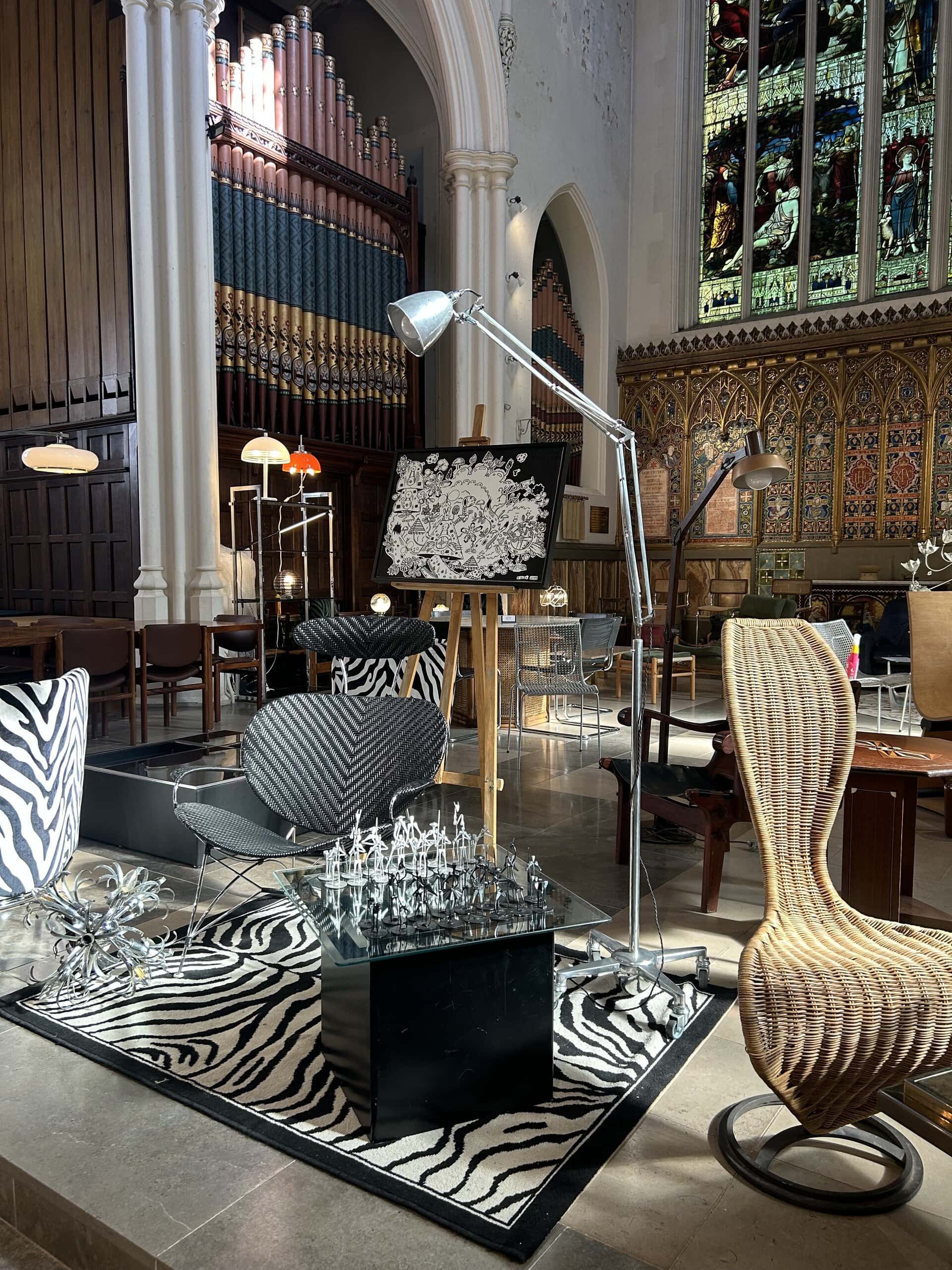
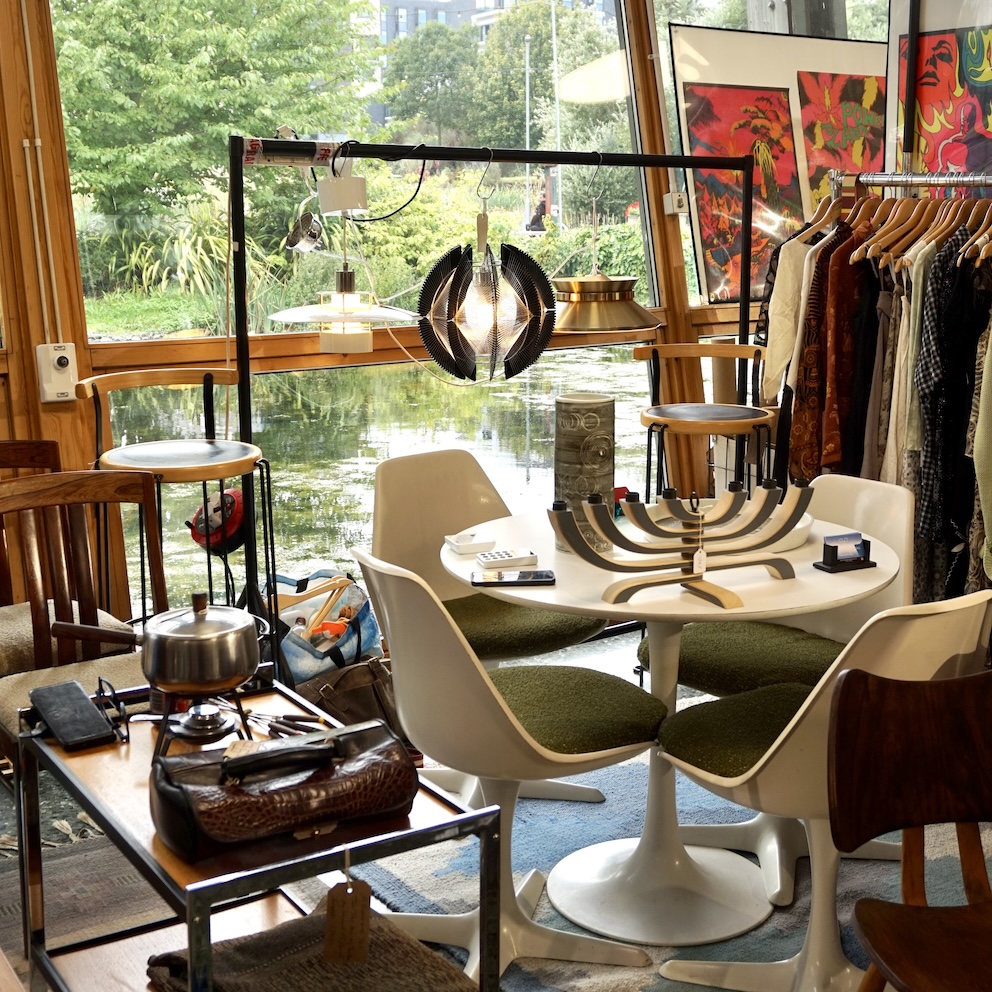
Furniture displayed in real-life settings
It’s less rummage. More edit.
And for buyers, that means better quality control and a more enjoyable experience.
If You’re Searching “Best Vintage Markets in London”…
Look for events that specialise in furniture and homeware rather than general bric-a-brac.
The strongest vintage furniture flea markets in London bring together:
-
Specialist mid century dealers
-
Lighting experts
-
Glass and ceramics traders
-
Large-scale statement pieces
You should feel like you’re walking through a curated design exhibition — not a jumble sale.
Why I Started The Vintage Furniture Flea
After years of running vintage markets across London, one thing became clear: furniture deserved its own stage.
At many flea markets, furniture can feel squeezed in between fashion rails and smaller collectibles. I wanted to create a space where large-scale pieces, mid century sideboards, sculptural chairs, statement lighting and beautiful storage could be properly displayed and properly appreciated.
So I launched The Vintage Furniture Flea.
The idea was simple: curate some of the best furniture and homeware traders in London, give them room to breathe, and create an environment where buyers could genuinely imagine pieces in their homes.
No overcrowded aisles.
No car-boot chaos.
No “mid century style” flat-pack pretending to be the real thing.
Just well-sourced vintage furniture, presented properly, in beautiful London venues.
The result? A market that feels closer to a design exhibition than a jumble sale — and one that attracts serious buyers looking for quality, not just novelty.
If you’re searching for a vintage furniture flea market in London that focuses on craftsmanship, scale and substance, this is exactly why I built it.
Buying vintage furniture in London isn’t about chasing trends. It’s about investing in pieces with longevity, craftsmanship and character.
Whether you’re furnishing a flat in Hackney, a house in Chelsea or a warehouse in East London, there is extraordinary vintage furniture out there — if you know where to look.
And the best place to start?
At a proper vintage furniture flea market.
Judy x
Ready to Visit a Vintage Furniture Flea Market in London?
If you’re looking to buy vintage furniture in London, the best way to discover new stock is in person.
Explore our upcoming Vintage Furniture Flea markets and London vintage events here:
→ The Vintage Furniture Flea
→ Upcoming London Vintage Market Dates
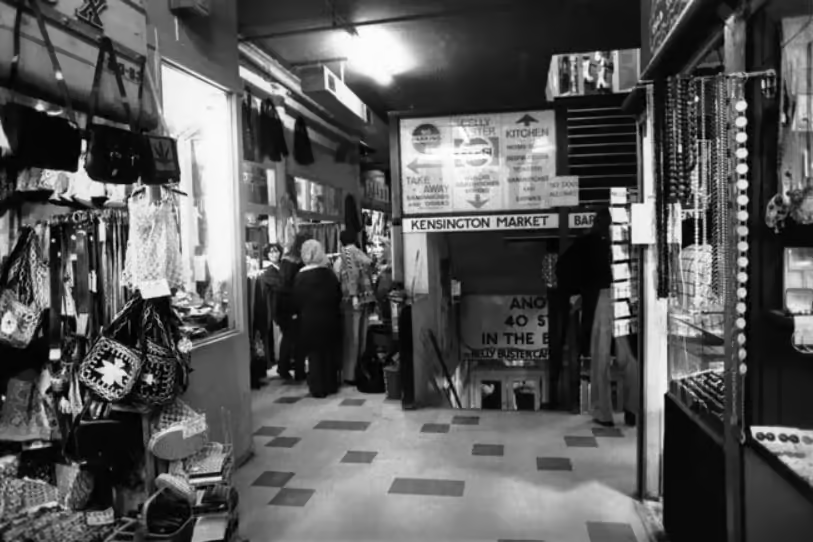
→ Kensington Vintage Market
See upcoming vintage furniture flea markets in London and plan your visit.